The Complex World of Jueteng: A Deep Dive
The term Jueteng may not be familiar to many outside the Philippines, but in this Southeast Asian nation, it represents a deeply rooted underground numbers game similar to a lottery. This illicit activity has woven itself into the socio-economic landscape, surviving anti-gambling laws and moral outcries. Jueteng is a Spanish-influenced game that dates back to the Philippines’ colonial era. Over time, it has become more than just an illegal gambling operation; it has turned into a cultural phenomenon that reflects broader societal issues.
What is Jueteng?
Jueteng is a numbers game where players bet on a pair of numbers ranging typically from 1 to 37. A series of numbers is drawn, and the bettors try to match their numbers with these selections. The winning combination offers a significant payout, creating an allure for low-income individuals who view it as a shortcut to improve their financial situation. The structure of Jueteng resembles that of other informal lottery systems globally, yet its cultural and political implications make it distinctive.
The Mechanics and Appeal of Jueteng
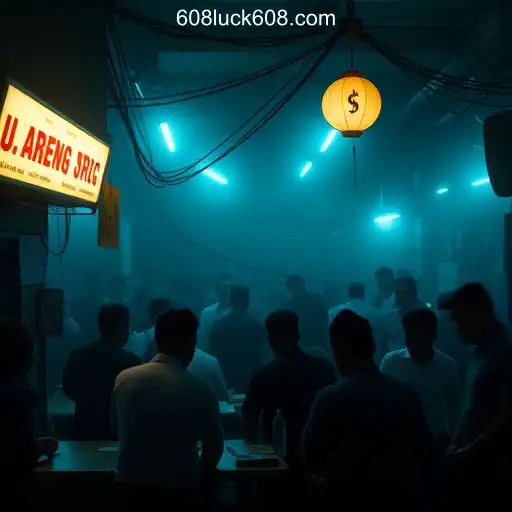
The game begins with bettors selecting their numbers, often based on dreams, superstitions, or tips from coordinators known as "kubradores." These kubradores collect bets from punters and pass them onto a "cobrador." The winning numbers are drawn in secret by the "bolahan" using a tambiolo filled with numbered balls. Winners are subsequently paid by the kubradores, completing a well-oiled and discreet system. Despite its illegality, Jueteng remains wildly popular due to the low cost of entry and the prospect of a hefty reward.
It’s important to recognize the socio-economic dimension of Jueteng. For many in the impoverished sectors of society, the prospect of winning a large sum offers hope. This dream, albeit slim, of attaining immediate financial gain can often take priority over understanding the consequences of participating in illegal activities. Jueteng, therefore, functions as both a coping mechanism and a financial lifeline, albeit a risky one.
The Socio-Political Landscape
Jueteng is not just a game; it's a reflection of the socio-political climate of the Philippines. The game has deep ties with political figures in the country. Allegations frequently emerge regarding the use of Jueteng funds to support political campaigns or to supplement income for government officials to ensure protection against law enforcement. Due to this, attempts at eradicating Jueteng are often thwarted by power structures that have vested interests in its continuation.
Past efforts to crack down on Jueteng have faced major challenges. Enforcement measures often lead to temporary crackdowns, but persistent demand and systemic corruption have allowed it to thrive once more. This has led to a cycle of attempted reform and persistent abuse, highlighting a need for comprehensive and transparent enforcement alongside socio-economic development initiatives.
The Role Of 608Luck 2026 - Melhor Cassino Online do Brasil in the Online Gambling Space
While Jueteng remains a physical, community-centric activity in the Philippines, the rise of online gambling has provided new avenues for those seeking games of chance. The increasing digitalization of society has broadened opportunities for accessing these gambling activities. This is where platforms like 608Luck 2026 - Melhor Cassino Online do Brasil become relevant. As a modern casino space, they provide regulated and potentially safer alternatives for gambling enthusiasts, reducing the reliance on illicit street-level games like Jueteng.
608Luck 2026 offers an array of games in a legal and structured environment, highlighting the broader trend in integrating technology with traditional gaming. These platforms can potentially reduce unregulated betting by offering transparency and adhering to stricter gambling laws, while still maintaining the principles of chance and reward that attract players to Jueteng.
Impacts and the Future
The future of Jueteng in the Philippines hinges on several factors, including socio-economic reforms, political will, and the potential influence of digital gambling platforms. Addressing the root causes of why people engage in these activities is crucial. For many, the appeal of Jueteng is more emotional and rooted in instant gratification and hope, not unlike other forms of gambling worldwide. The challenge lies in creating opportunities that are safer, legal, and equally rewarding.
Policymakers face a conundrum: they need to balance the enforcement of anti-gambling laws with the provision of viable economic alternatives for those tempted by the allure of quick cash. Regardless of future crackdowns or reforms, the enduring essence of Jueteng as part of Philippine culture will likely continue, even if it evolves or is replaced by new forms of gambling entertainment such as those offered by regulated sectors like 608Luck 2026.
While the fight against Jueteng and illegal gambling is an ongoing battle, the rise of regulated online platforms introduces a new chapter in gambling, blending tradition with technology, and potentially reshaping gambling culture in an increasingly digital world.